Caring for Your Senior Pet's Dental Health
Senior pets have unique dental needs. Learn about tooth resorption, stomatitis, and how to keep your aging companion comfortable and pain-free.

Aging changes everything about your pet's body — their gait slows, their muzzle grays, their eyes cloud with the faint blue haze of nuclear sclerosis. But the most insidious changes are the ones you cannot see, and few are more dangerous than what happens inside your senior pet's mouth. By age twelve, over 92% of cats and 95% of dogs have active dental disease. Much of it is advanced, much of it is painful, and almost none of it is visible without sedation and dental radiography. Senior pets face a triple threat: the accumulated damage of years of untreated periodontal disease, age-specific conditions like tooth resorption and stomatitis, and the diminished physiological reserve that makes anesthesia and treatment more challenging. Understanding these challenges is essential for keeping your aging companion comfortable in their golden years.
The foundation of senior dental disease is the periodontal disease that has been progressing, unchecked, for years. Every year that plaque is not fully removed, it mineralizes into calculus, bacteria colonize the subgingival space, and the inflammatory cascade damages the periodontal ligament and alveolar bone. By the time a pet reaches senior age, the damage is often extensive: receded gums, exposed root surfaces, mobile teeth, and deep periodontal pockets filled with purulent debris. The bacterial load in a senior pet's mouth is typically ten to fifty times higher than in a young adult, and the systemic consequences — kidney damage, cardiac stress, liver burden — are amplified by the age-related decline in organ function that has been occurring in parallel.
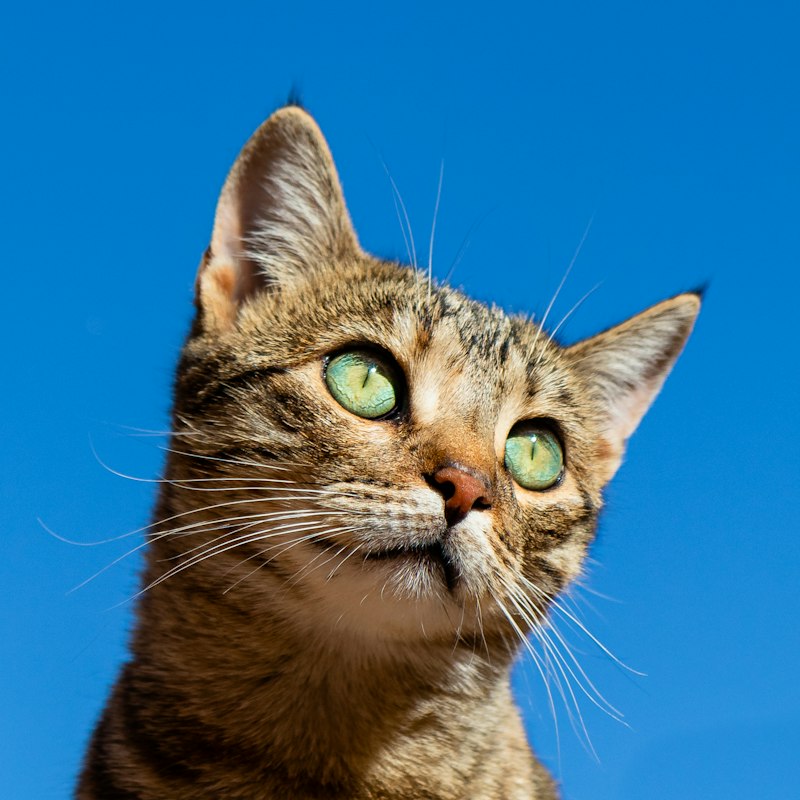
But senior pets also face dental conditions that are distinct from simple periodontal disease. In cats, the most significant is feline tooth resorption (FORLs), a progressive and painful condition in which odontoclasts — cells related to bone-remodeling osteoclasts — begin dismantling the tooth structure from the root surface. Over 60% of cats over age six and 84% of cats over twelve are affected. The lesions begin beneath the gumline and are invisible on oral examination. By the time they become clinically apparent — when the resorption breaks through the enamel and creates a visible defect — the tooth's internal structure has been extensively destroyed. The pain is significant: the exposed dentin contains microscopic tubules that lead directly to the dental pulp, where nerve endings are stimulated by temperature changes, pressure, and bacteria. Cats with advanced resorption may show no outward signs — they continue to eat, they do not cry out — but their behavior often changes subtly: they eat more slowly, they prefer soft food, they chew on one side, they become less social, they hide more. These are pain behaviors, and they are easy to miss in a senior cat whose activity level has naturally declined.
Feline chronic gingivostomatitis (FCGS) is another age-relevant condition, characterized by severe, persistent inflammation of the gums and oral mucosa. Unlike routine gingivitis, which responds to plaque removal, FCGS is an immune-mediated overreaction to oral bacteria — the cat's immune system essentially attacks its own oral tissues in response to the bacterial biofilm. The inflammation is often visible as bright red, proliferative tissue in the caudal oral cavity (the back of the mouth, near the throat). Affected cats experience severe pain, difficulty eating, weight loss, and excessive drooling. Treatment typically requires extraction of most or all teeth — a drastic measure that resolves the inflammation in approximately 60% of cases and significantly improves it in another 20%. The condition is more common in cats with concurrent immunosuppressive conditions, including feline immunodeficiency virus (FIV) and feline leukemia virus (FeLV), both of which are more prevalent in senior cats.
In senior dogs, the most common age-specific dental issue is tooth fracture. Canine teeth — the large fangs — are particularly vulnerable, especially in dogs who chew on hard objects like bones, antlers, and nylon toys. A slab fracture, where a segment of the tooth shears off vertically, exposes the pulp cavity and causes intense pain and infection. Many owners do not notice the fracture because dogs continue to eat — their drive to eat overrides the pain — but the exposed pulp becomes a highway for bacteria to enter the jawbone, causing root abscesses that can erode through the bone and create draining tracts on the face. Senior dogs may also develop oral tumors — melanomas, squamous cell carcinomas, and fibrosarcomas — which can appear as swellings, discolored areas, or persistent bleeding in the mouth. Any oral mass in a senior pet should be evaluated immediately, as early detection dramatically affects prognosis.
The challenge of treating dental disease in senior pets is anesthesia risk. Many owners — and some veterinarians — are reluctant to anesthetize senior pets due to concerns about organ function, cardiovascular disease, and prolonged recovery. While these concerns are valid, they must be weighed against the very real suffering caused by untreated dental disease. A senior pet with a mouthful of infected, mobile teeth is in constant pain. They may not show it — pets are extraordinarily skilled at masking pain, a survival instinct inherited from their wild ancestors — but the pain is there, affecting their quality of life, their appetite, their mobility, and their systemic health. Modern veterinary anesthesia, with pre-anesthetic bloodwork, intravenous catheterization, customized anesthetic protocols, and continuous monitoring, is remarkably safe even in senior patients. The risk of anesthetic death in healthy senior pets is approximately 0.05 to 0.1% — far lower than the risk of leaving dental disease untreated.
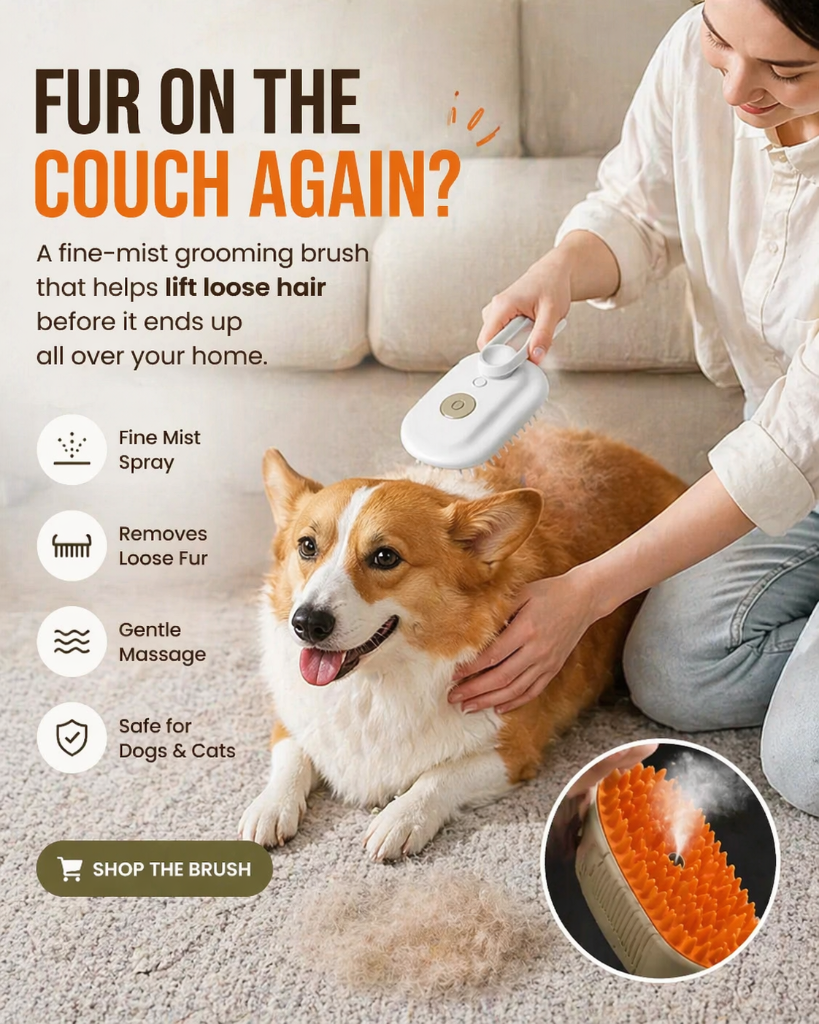
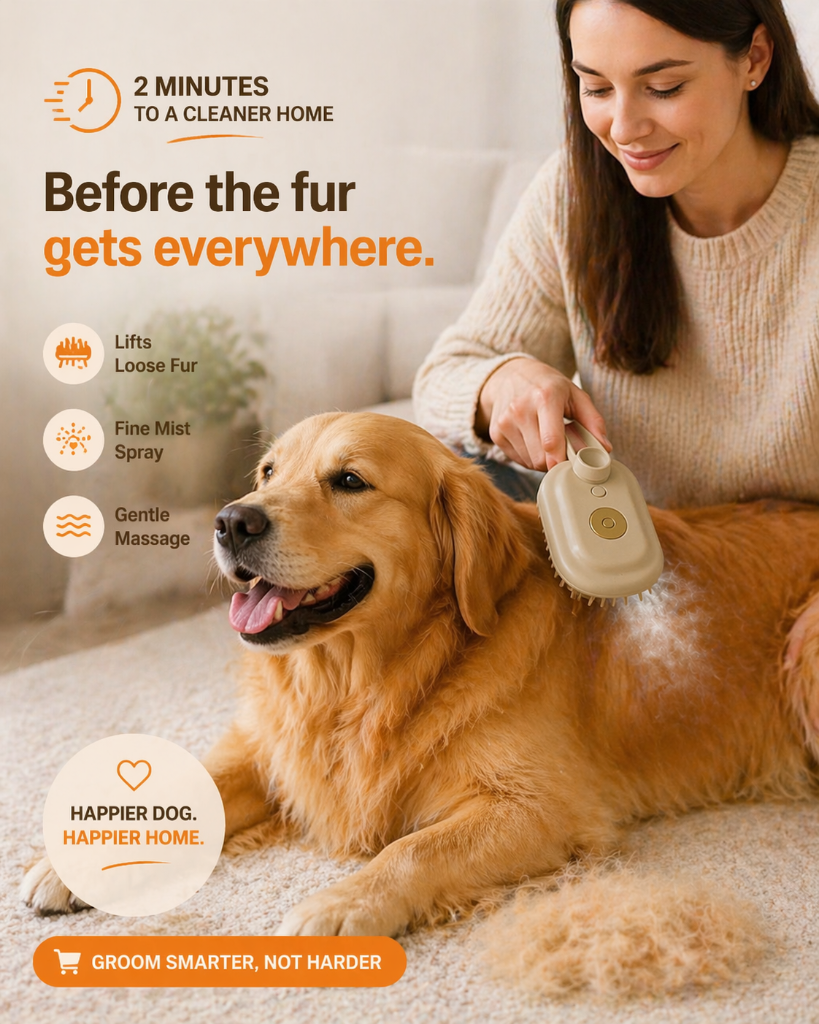
Preventive care in senior pets requires a different approach than in young adults. The goal shifts from prevention (the disease is already present) to management — slowing progression, controlling pain, and maintaining quality of life. Daily oral care becomes even more critical, and the tools must be gentle enough for sensitive senior mouths. The PawPulse Ultrasonic Pet Tooth Cleaner is ideal for senior pets because it operates without friction — the ultrasonic vibrations break up plaque biofilm without brushing pressure that could pain sensitive, receded gums. The PawPulse Pet Dental Pen delivers enzymatic gel that dissolves plaque chemically rather than mechanically, which is particularly valuable for senior pets whose gums may be too tender for traditional brushing. For cats with early-stage tooth resorption or chronic gingivitis, the PawPulse Bad Breath Removal Spray provides antimicrobial action that reduces the bacterial load driving inflammation, offering relief between professional cleanings.
Systemic support is equally important. The PawPulse Pet Dental Supplement provides coenzyme Q10, which supports cellular energy production in gum tissue and has been shown to reduce periodontal inflammation in both human and veterinary studies. Omega-3 fatty acids (EPA and DHA) modulate the inflammatory pathways that drive gum disease, while zinc supports immune function and wound healing in the oral mucosa. These ingredients are particularly valuable for senior pets whose immune function may be declining and whose inflammatory regulation may be less efficient than in younger animals. The supplement can be given alongside the pet's regular meals and is formulated to be palatable even for senior cats with diminished appetite.
Dietary adjustments are also important. Senior pets with dental disease may benefit from softened food — kibble soaked in warm water, or a transition to wet food — to reduce the mechanical stress of chewing on damaged teeth. However, it is essential to maintain nutritional adequacy and to monitor weight, as senior pets are at risk for both obesity (from reduced activity) and cachexia (from pain, systemic disease, or reduced appetite). Regular veterinary checkups — ideally every six months for pets over ten — should include a thorough oral examination, and dental radiographs should be taken annually to detect hidden disease beneath the gumline. Do not assume that because your senior pet is still eating, their mouth is healthy. Cats and dogs will eat through remarkable pain — it is a survival instinct — and the absence of visible symptoms is not the absence of disease.
The goal of senior dental care is not perfection. It is comfort. It is ensuring that your aging companion can eat without pain, play without discomfort, and live their remaining years with a mouth that does not hurt. That may mean extracting teeth that cannot be saved, managing chronic conditions with daily care, and investing in tools that make home maintenance feasible even for a pet who has never tolerated oral care. It is never too late to start. Even a senior pet with advanced disease can benefit from intervention — the reduction in pain and bacterial load can transform their quality of life, sometimes in a matter of days. Your senior pet has given you their best years. They deserve comfort in their golden ones.
Protect Your Pet Today
Vet-formulated products referenced in this article. 90-day money-back guarantee. Free US shipping.
Pet Dental Pen
Enzymatic gel dissolves plaque chemically — gentle enough for receded senior gums. No brushing pressure required.
Ultrasonic Pet Tooth Cleaner
Frictionless ultrasonic cleaning — ideal for tender senior mouths. Silent operation won't stress anxious older pets.

Pet Dental Supplement
CoQ10 and omega-3s support gum tissue health and reduce periodontal inflammation in aging pets. Palatable even for picky seniors.